Westmoreland Home Staging Tips for Premium Offers
April 16, 2026
April 16, 2026
Selling a home in Westmoreland is different from selling in a typical Knoxville price range. In a neighborhood where historic character and premium pricing shape buyer expectations, small presentation details can influence how quickly your home connects with the market and how strong those offers feel. If you want your home to stand out for the right reasons, a thoughtful staging plan can help you highlight its best features before the first showing. Let’s dive in.
Westmoreland sits in a distinct segment of the Knoxville market. Redfin’s February 2026 data for Westmoreland shows a median sale price of $930,000, about 42 days on market, and a 96.8% sale-to-list ratio, with some homes receiving multiple offers.
That context matters because buyers at this price point tend to notice presentation quickly. The same Redfin data shows Knoxville overall at a $325,000 median sale price and 71 days on market, while Knox County was at a $388,250 median sale price and 81 days on market. In other words, Westmoreland sellers are competing in a higher-end bracket where condition, photography, and visual impact can carry real weight.
National research supports that idea. According to the National Association of Realtors 2025 Profile of Home Staging, 83% of buyers’ agents said staging helps buyers picture a property as their future home, 49% of sellers’ agents said it reduced time on market, and 29% said it increased the dollar value offered by 1% to 10%.
Part of Westmoreland’s appeal is its history. Knoxville planning materials on the Westmoreland Historic District describe a district dating roughly from 1915 to 1950, tied to early suburban expansion, the Westmoreland Water Wheel, Charles Barber designs, and the East Tennessee marble industry.
That historic identity is not background noise. It is part of what makes the neighborhood memorable to buyers. When you stage a Westmoreland home well, the goal is not to cover up age or character. The goal is to make architectural details easier to notice and appreciate.
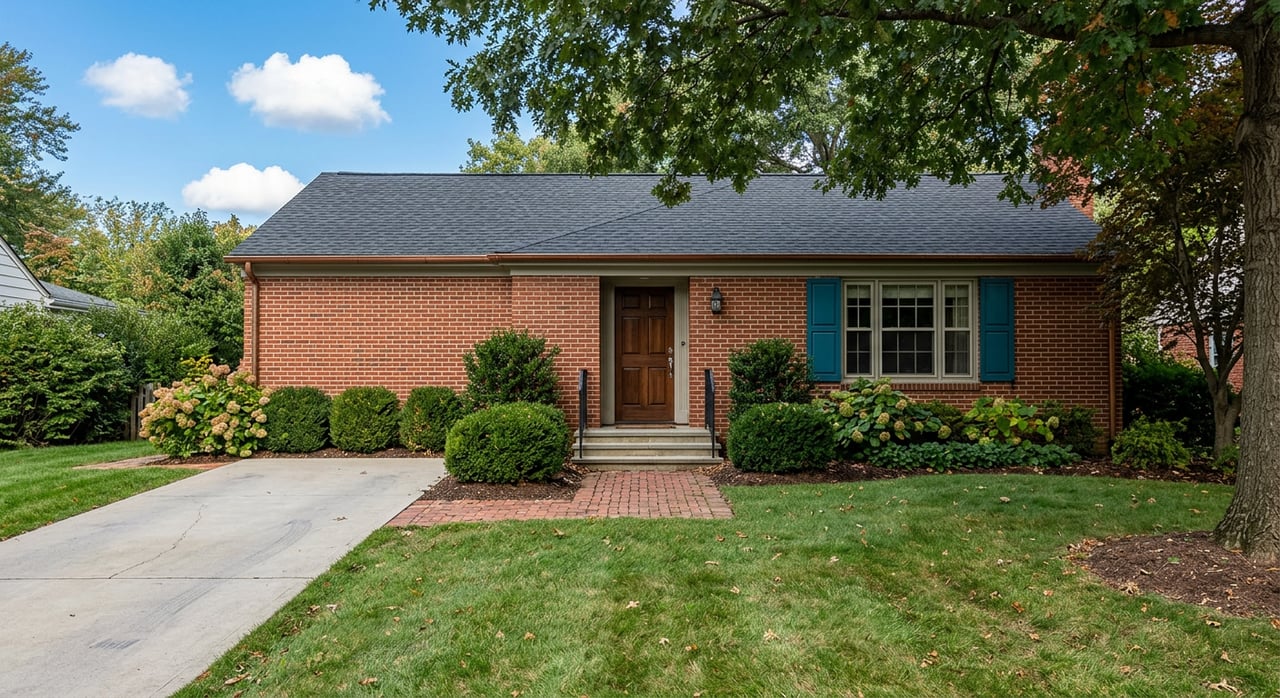
Buyers begin forming opinions before they walk inside. NAR recommends starting at the front door with a fresh finish, usable porch seating, clear address numbers, layered lighting, seasonal plants, and clean landscaping.
For a Westmoreland home, the exterior should feel polished and edited. You want the house itself to be the focal point, not crowded planters or overgrown shrubs. Clean walkways, healthy plantings, and a neat entry create a stronger first impression without making the exterior feel overdesigned.
A simple curb-appeal checklist can help:
Historic homes often sell best when their original details are easy to see. The National Park Service Standards for Rehabilitation emphasize retaining and preserving historic character and craftsmanship, with repair preferred over replacement where possible.
For staging, that means clearing space around the features that give your home its identity. Original millwork, fireplaces, stair details, built-ins, and wood floors should read clearly in person and in photos. Oversized furniture, heavy decor, and trend-driven styling can distract from what buyers came to see.
Keep interiors calm and intentional:
If you are not staging every room, prioritize the areas buyers tend to care about most. The NAR 2025 staging report says the living room, primary bedroom, and kitchen are the most important spaces to stage.
That guidance is especially useful if you want to invest strategically. In many Westmoreland homes, those rooms do the most work in shaping a buyer’s emotional response to the property. If those spaces feel bright, balanced, and welcoming, the rest of the house tends to show better too.
Here is where to focus first:
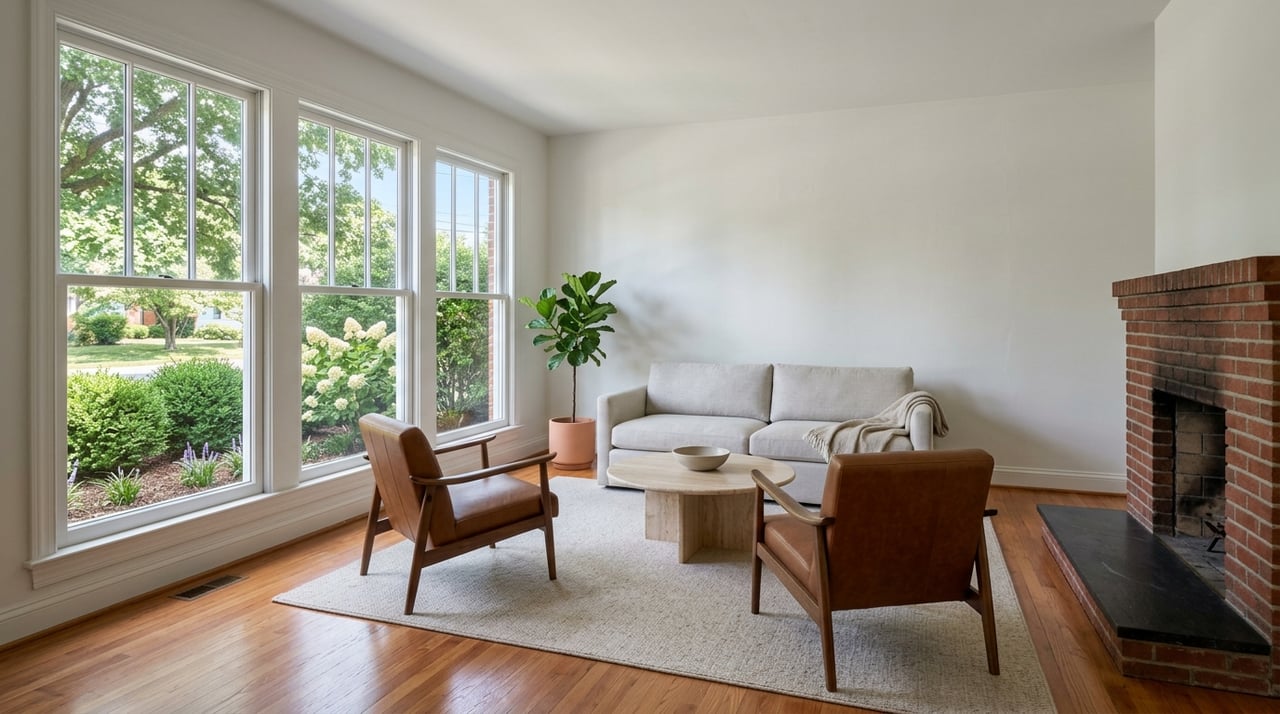
The living room often sets the tone for the entire home. Keep seating arrangements open, remove extra side tables or accessories, and make sure buyers can see the scale of the room and any original details.
The primary bedroom should feel restful and spacious. Use simple bedding, reduce furniture if the room feels tight, and clear surfaces so the room reads as calm rather than crowded.
In the kitchen, clean counters matter more than decorative styling. Remove small appliances when possible, clear magnets and papers, and keep the space looking functional, bright, and easy to maintain.
Natural light has a major impact on how buyers experience a home online and in person. NAR’s field guide to preparing and staging a house for sale recommends letting natural light shine, using neutral wall colors, opening up spaces, and streamlining decor.
In practical terms, that means cleaning windows early, raising shades, and simplifying heavy window treatments. It also means planning photography around the time of day when the home looks brightest and most balanced.
Before photos and showings, consider this quick light checklist:
In Westmoreland, porches, patios, and terraces can help reinforce a premium impression. NAR recommends porch seating, potted flowers, walk lighting, and accent lighting that highlights architecture, while keeping exterior elements edited and uncluttered.
If your home has outdoor living space, stage it with purpose. A pair of chairs, a clean table, and a tidy floor surface can help buyers see how the space might function. You do not need to overfill it. You just need to show that it adds usable living area.
Not every improvement is just a staging decision. In Westmoreland, some properties may fall within a local historic overlay, which can affect what exterior changes should be reviewed before work begins.
Knoxville-Knox County Planning’s historic zoning information explains that historic zoning commissions review construction, demolition, and alterations within designated historic zones, and that contributing and noncontributing properties may be reviewed differently. If you are considering exterior repairs, window work, additions, or major changes before listing, it is smart to check the rules first.
This is especially important for windows and other historic features. The National Park Service guidance on historic windows says repair should be the first option and notes that performance can often be improved with storm windows and weatherstripping.
There may also be support for qualifying work. Knoxville offers a Residential Historic Preservation Program for certain historic residential buildings, including some properties in qualifying overlay districts and eligible historic categories. If you are planning improvements well ahead of listing, that may be worth reviewing.
If you want a straightforward approach, start here:
This kind of preparation is not about making your home look generic. It is about helping buyers see the value they are being asked to pay for.
In a neighborhood like Westmoreland, staging works best when it respects the home’s character and meets the expectations of luxury-minded buyers. Clean lines, clear sightlines, natural light, and thoughtful editing can make your home feel more memorable from the listing photos to the final showing.
If you are preparing to sell in Westmoreland, the best results usually come from pairing neighborhood knowledge with a tailored presentation strategy. That is where white-glove guidance can make a real difference. If you are considering a move, Angie Riedl can help you evaluate the right staging priorities, presentation plan, and marketing approach for your home.
Stay up to date on the latest real estate trends.
June 4, 2026
May 28, 2026
May 21, 2026
May 14, 2026
May 7, 2026
April 23, 2026
April 16, 2026
April 2, 2026
March 24, 2026