Westmoreland Knoxville Home Styles: Historic vs New
April 2, 2026
April 2, 2026
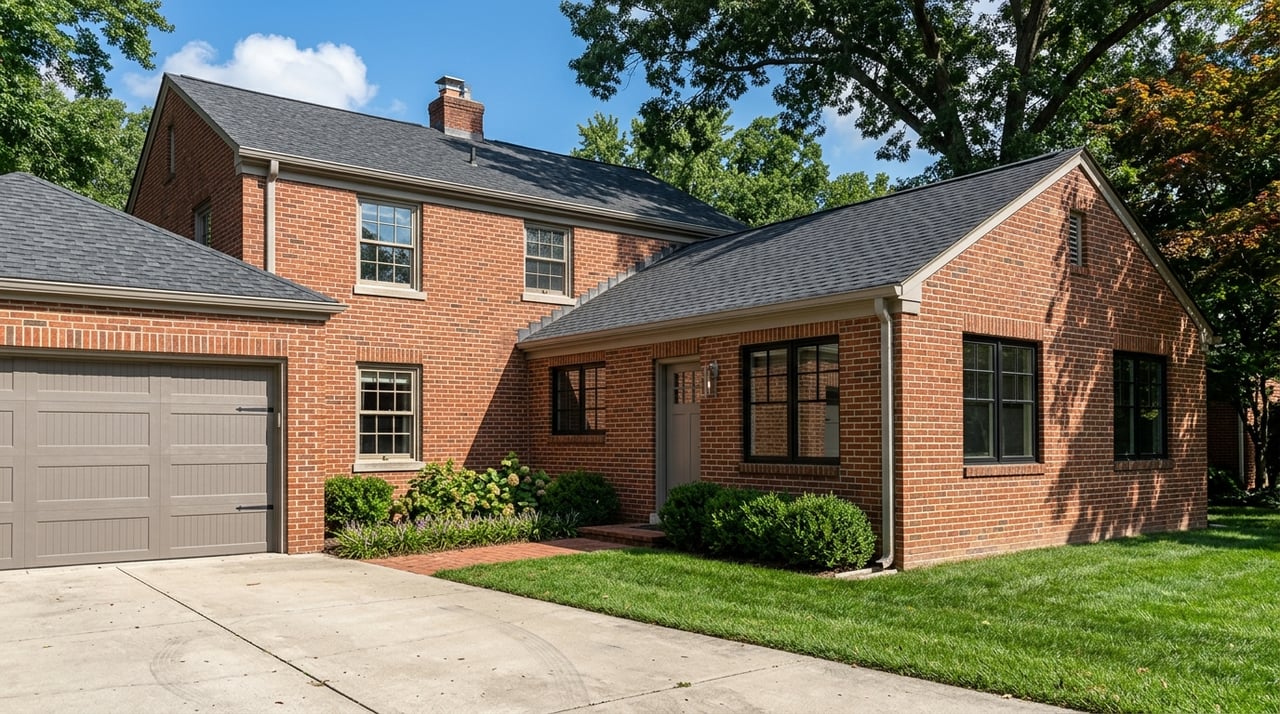
Trying to decide between a historic home and a newer build in Westmoreland? You are not alone. This part of Knoxville offers a rare mix of architectural character, established streetscapes, and more recent construction, which can make the decision feel both exciting and a little complex. If you are weighing charm versus convenience, this guide will help you understand what Westmoreland’s home styles really look like, what tradeoffs come with each option, and how to think about value in this sought-after neighborhood. Let’s dive in.
One of the biggest misconceptions about Westmoreland is that it all comes from one period. In reality, Westmoreland has a historic core with later layers of development.
According to the West City Sector Plan, Westmoreland Heights was established in the 1920s, with most homes dating to the 1930s. The same planning document notes that it is the oldest subdivision in the western part of the sector and the only one there that predates 1950.
That early history still shapes the neighborhood today. Knoxville planning records also connect Westmoreland to first-half-20th-century suburban growth, the work of architect Charles Barber, and the area’s well-known water wheel and stone wheelhouse, which help define its historic identity in Knoxville’s development story. You can see that context in the Knoxville historic resources survey.
If you are drawn to older homes, Westmoreland gives you a strong starting point. The neighborhood’s earliest sections are where you are most likely to find homes with original architectural character, mature lots, and the kind of detailing that is hard to recreate.
Knoxville’s historic building-form guidance shows that the 1910s through 1920s were key years for styles like Craftsman/Bungalow, Tudor Revival, Colonial Revival, Dutch Colonial Revival, and French Eclectic. Because Westmoreland’s main development period lines up with the 1920s and 1930s, those are the styles and influences that fit the neighborhood best.
In practical terms, that means you may notice features such as:
The West City Sector Plan also describes Westmoreland’s pattern as curving streets with forested yards, which helps explain why the historic sections feel so established and visually layered.
Older homes can offer a sense of presence that many buyers love. Materials, craftsmanship, and lot placement often create a look and feel that stands apart from newer construction.
At the same time, a historic or older home may come with more upkeep. Depending on the property, you may need to think more carefully about systems, maintenance schedules, restoration needs, and the cost of preserving original features.
Westmoreland is not only about older homes. Newer construction is part of the picture too, especially for buyers who want the location and setting but prefer a more low-maintenance lifestyle.
A good example is The Gables at Westmoreland, which Saddlebrook describes as a lifestyle-focused community with landscaping, green spaces, sidewalks, and streetlights in its community overview. The research also points to a 2021-built home in that area, showing that recent construction is very much part of the neighborhood mix.
This matters because it expands your choices. You do not have to choose between Westmoreland’s location and a newer-home experience. In some cases, you can have both.
If convenience is high on your list, newer homes may feel like a better fit. They often appeal to buyers who want updated finishes, more modern layouts, and fewer immediate maintenance projects.
That does not mean newer homes are automatically better or more valuable. It simply means they tend to solve a different set of priorities, especially if you want easier day-to-day ownership.
If you are trying to choose between the two, it helps to focus on how you want to live instead of relying on age alone.
Here is a simple way to frame the decision:
| Feature | Historic Westmoreland Home | Newer Westmoreland Home |
|---|---|---|
| Architectural style | More likely to reflect Colonial Revival, Tudor Revival, Craftsman, or traditional early-20th-century forms | More likely to reflect updated traditional design |
| Lot setting | Often larger, mature, and tree-filled | May offer a more planned, lower-maintenance setting |
| Maintenance | Usually more ongoing care and possible updates | Often designed for easier upkeep |
| Character | Strong sense of history and individuality | More modern convenience and functionality |
| Buyer appeal | Often suits buyers prioritizing charm and original details | Often suits buyers prioritizing ease and newer features |
For many buyers, the right answer comes down to one question: Do you want more architectural character, or more day-to-day simplicity?
When buyers compare old versus new, it is easy to assume one should cost more than the other. In Westmoreland, the reality is more nuanced.
According to Redfin’s Westmoreland housing market snapshot, the median sale price was $930,000 in February 2026, with an average of 42 days on market and a 96.8% sale-to-list ratio. That suggests a high-value neighborhood where scarcity and presentation matter.
The available examples in the research show how broad the range can be. A 1939 stone home on Stone Mill Drive was listed at $1.42 million, while a 2021 home in The Gables carried an estimated value of about $1.356 million, as reflected in this Westmoreland-area listing example.
The takeaway is clear: age alone does not set value. In Westmoreland, price is more closely tied to:
In a neighborhood like Westmoreland, buyers often respond strongly to homes that feel well cared for and thoughtfully updated. That is true whether the home was built in 1939 or 2021.
For older homes, condition can influence both appeal and cost expectations. Buyers may appreciate original charm, but they also pay attention to the practical side of ownership, especially when major systems or restoration needs are part of the picture.
For newer homes, condition still matters, just in a different way. Buyers often expect a clean, polished, move-in-ready experience, and they compare finishes, layout, and convenience features more closely.
For some older properties, preservation considerations may also matter. Knoxville’s guidance on historic overlays explains that the purpose of an H overlay is to protect historic structures and support compatible rehabilitation or new construction while helping stabilize or improve property values, as noted in the city planning guidance.
That does not mean every older Westmoreland home faces the same rules. It does mean that, in historic settings, compatibility and thoughtful updates can play an important role in long-term value.
If you are buying, that can affect how you budget for improvements. If you are selling, it can shape how you position the home and communicate its strengths.
If you love history, architectural detail, and the feeling of an established neighborhood, Westmoreland’s earlier homes may be the better match. They often deliver the kind of curb appeal and individuality that buyers specifically seek out in older Knoxville neighborhoods.
If you want a similar location with more convenience, newer options may make more sense. They can offer easier maintenance, a more current floor plan, and a simpler ownership experience without leaving the Westmoreland area.
There is no universal right answer. The best choice depends on your goals, your comfort with maintenance, and the kind of home experience you want over the long term.
Whether you are buying a historic property with original character or preparing to sell a newer luxury home in this part of Knoxville, neighborhood-specific guidance matters. If you want thoughtful advice on Westmoreland’s housing mix, pricing, and presentation, connect with Angie Riedl for a private consultation.
Stay up to date on the latest real estate trends.
June 4, 2026
May 28, 2026
May 21, 2026
May 14, 2026
May 7, 2026
April 23, 2026
April 16, 2026
April 2, 2026
March 24, 2026