Westmoreland Knoxville Family Living with Kids & Teens
April 23, 2026
April 23, 2026
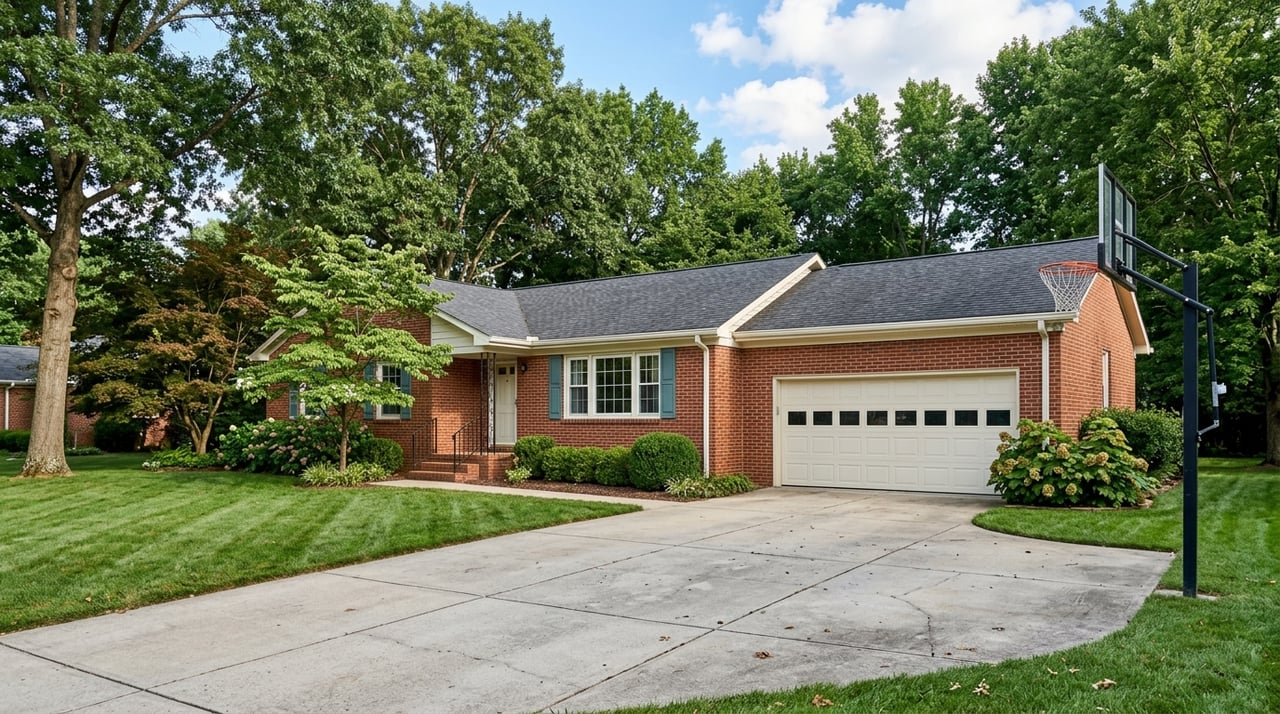
Choosing a neighborhood for kids and teens is rarely about just one thing. You are probably thinking about school logistics, after-school routines, outdoor space, and how day-to-day life will actually feel once you are settled in. In Westmoreland, that lifestyle comes together through historic character, strong community involvement, nearby parks and greenways, and practical options for older students. Let’s dive in.
Westmoreland offers something many buyers look for but do not always find in one place: an established neighborhood with real community structure. The Westmoreland Citizens Association represents nearly 1,000 households between Westmoreland Circle and Little Falls Parkway and has been part of the community since 1935.
That active civic layer can make a real difference when you are raising children or guiding teens through busier school years. The association uses the Little House as a neighborhood gathering place and shares a calendar that includes activities like Parents Night Out, bridge, fireside chats, and a Turkey Trot. For many households, that kind of built-in connection helps a neighborhood feel lived in rather than simply mapped out.
Westmoreland also carries a strong sense of place. Dogwood Arts recognizes Westmoreland as one of the West Knoxville Dogwood Trail neighborhoods, known for wooded lanes, early 1920s roots, and the Waterwheel/Gatepost feature on the National Historic Register.
If schools are high on your list, the most important thing to know is that Westmoreland is not a one-size-fits-all assignment. Research notes indicate the neighborhood falls into a split elementary pattern, with some addresses associated with Bearden Elementary and others with Rocky Hill Elementary, while later grades are generally connected to Bearden Middle and West High.
Because of that, you should verify any school assignment by exact address before making plans. Knox County Schools directs families to use the KGIS School Zone Search process, so it is best to treat elementary placement as address-specific rather than assume one school serves the entire neighborhood.
Bearden Elementary opened in 1938 and serves more than 400 students. The school highlights after care, clubs, and parent-teacher support, which can matter if you are building a reliable school-year routine.
Rocky Hill Elementary describes itself as a long-standing community school dating back to 1940 and serving about 750 students. Its PTO and Foundation support family-centered events such as Literacy Night and Rocky Hill Rodeo.
Bearden Middle School identifies as an IB World School with more than 1,200 students and an annual after-school festival. West High School is also an IB World School and offers athletics, performing arts, clubs, and a 9th-grade Industry Experience field trip to the University of Tennessee Medical Center.
For some families, flexibility matters as much as default zoning. Knox County Schools transfer information notes that transfer windows are available, but approval depends on space and transportation is not typically provided unless specifically stated. The district also offers a virtual school option for grades 4 through 12, which may be useful if your child needs a different learning setup.
One reason Westmoreland appeals to families is how easy it is to build outdoor time into an ordinary week. You are not relying on one small pocket park. Instead, you have access to a broader West Knoxville network of parks, playgrounds, and greenways that can support everything from quick after-school play to weekend outings.
West Hills / John Bynon Park is one of the biggest nearby lifestyle assets. The city lists two playgrounds, ballfields, tennis, pickleball, soccer and football space, basketball, shelters, restrooms, and the 1.9-mile Jean Teague Greenway.
That range matters if your household has kids at different ages and stages. Younger children may care most about a playground, while older kids may be headed to courts, fields, or open space with friends.
Third Creek Greenway Park adds a 39-acre preserve with the Third Creek and Bearden Village greenways running through it. This creates more options for walks, bike rides, and active downtime without needing a long drive.
Lakeshore Park adds another layer, with 185 acres of public space and a newer playground in the woods. For many parents, having several distinct outdoor destinations nearby helps keep routines fresh and gives teens more room to spread out.
As kids get older, the conversation often shifts from playgrounds to independence. Westmoreland benefits from stronger connectivity than many neighborhood buyers expect, and that can make a difference for middle school and high school years.
The city notes that Third Creek Greenway is a popular route for bicyclists commuting from West Knoxville to downtown and the University of Tennessee. The route remains open from the Painter Avenue access west to Bearden and from Tyson Park to the UT campus, which speaks to its usefulness beyond recreation alone.
For teens, that kind of infrastructure can support bike rides, meeting up with friends, and reaching destinations with a little more freedom. It does not replace parental judgment, of course, but it does give you more practical options than an isolated subdivision layout might.
Transit access is another part of the equation for older students. KAT routes serving this side of Knoxville include Route 11, Route 17, and Route 10, which help anchor west-side mobility.
A standout detail for families is the KAT Youth Freedom Pass, which allows Knox County students to ride the fixed-route bus system at no charge year-round. That can be useful for students heading to sports, clubs, part-time jobs, library visits, or social plans.
The library also fits into the everyday support system here. The Bearden Branch Library sits on KAT Route 11, and Knox County Public Library notes that it offers homework support for kids and teens, including online live tutoring through Brainfuse HelpNow.
When you look at the bigger picture, that means Westmoreland families can combine school activities, parks, transit, and study resources without treating each piece as a major production. That kind of convenience often becomes more valuable over time.
Neighborhood life is only part of the story. Westmoreland also benefits from wider Knoxville resources that can support children and teens throughout the year.
Knoxville Parks & Recreation programs include KORE after-school programming, summer camps, arts programming, and swimming lessons for youth. If your family needs structured activities beyond school, those options broaden what daily life can look like.
This is one of the practical advantages of living in an established Knoxville neighborhood rather than a more remote area. You get neighborhood identity, but you also stay connected to citywide enrichment options that can serve different ages and interests.
Westmoreland is best understood as a neighborhood where several useful pieces come together at once. You have historic character, a long-running neighborhood association, address-specific school planning, access to major parks and greenways, and transit tools that can matter more as your children grow.
For buyers moving with children, that combination can support both the early years and the teen years. For sellers, it also helps explain why Westmoreland continues to draw interest from households looking for more than just square footage.
If you are thinking about buying or selling in Westmoreland, working with someone who understands both the neighborhood’s history and its day-to-day lifestyle can make the process much clearer. If you would like local guidance tailored to your goals, connect with Angie Riedl for a private consultation.
Stay up to date on the latest real estate trends.
June 25, 2026
June 18, 2026
June 11, 2026
June 4, 2026
May 28, 2026
May 21, 2026
May 14, 2026
May 7, 2026
April 23, 2026