How Westmoreland Homes Embrace Outdoor Living
June 11, 2026
June 11, 2026
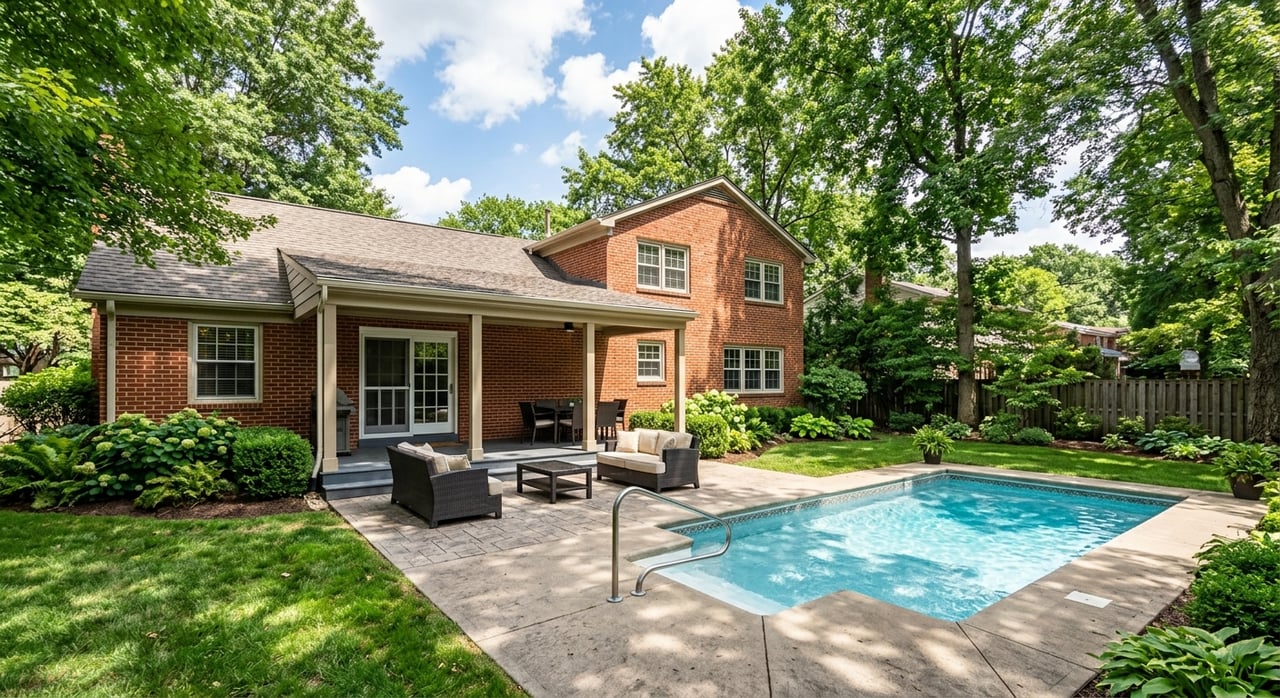
Dreaming of a home where the porch, patio, and garden feel just as important as the rooms inside? In Westmoreland, that idea is not a trend. It is part of the neighborhood’s DNA. If you are buying, selling, or simply trying to understand what makes this part of Knoxville so special, this guide will show you why outdoor living feels so natural here and how that shapes the appeal of Westmoreland homes. Let’s dive in.
Westmoreland’s outdoor lifestyle starts with its history. Planning documents describe Westmoreland Heights as one of Knoxville’s earliest garden suburbs, with curving streets, forested yards, and homes that date largely to the 1930s in the original subdivision. That kind of layout creates a setting where porches, lawns, and thoughtful landscaping feel true to the neighborhood rather than added on later.
The area also has a strong visual identity tied to its landscape. Dogwood Arts describes the Westmoreland Trail as 10 miles of quiet wooded lanes and estate properties, and the neighborhood’s early-1920s gatepost and waterwheel remain part of its story. In spring especially, outdoor spaces do more than serve private living. They help define how the neighborhood is experienced from the street.
For many buyers, that matters. A home in Westmoreland often offers more than square footage. It offers a sense of place shaped by mature trees, deeper setbacks, and large-lot patterns that support comfortable time outdoors.
One reason Westmoreland feels so inviting outside is its heavy tree cover. Knoxville’s Urban Forest Master Plan data shows Westmoreland at 44% tree canopy in 2018, compared with 21% for West Knoxville overall. That difference helps explain the shaded, private feel that many people notice right away.
In practical terms, mature canopy can make outdoor living more comfortable for more of the year. Shade supports porch sitting, garden design, backyard seating, and a softer transition between house and landscape. It also gives many homes a layered setting that feels established and calm.
For sellers, this is worth paying attention to. In a neighborhood where trees are part of the appeal, outdoor presentation is not just about tidiness. It is about showing how the home sits within its setting.
Knoxville’s climate supports a long stretch of usable outdoor time. According to local climate normals, the area averages 51.93 inches of annual rainfall, 4.6 inches of annual snowfall, a median last frost of April 14, and a median first frost of October 24. That gives homeowners a broad window for planting, dining outside, entertaining, and enjoying porch life.
Spring is especially important in Westmoreland. Dogwood Arts includes the neighborhood on its West Trails route, with trail season running from April 1 through April 30. Open-garden and camera-site yard signs make it clear that landscaping and curb appeal are part of the neighborhood’s seasonal rhythm.
That spring visibility can shape how buyers experience the area. Bloom, canopy, and outdoor rooms are not background details here. They are part of what people remember.
In historic Knoxville neighborhoods, planning guidance points to porches, mature trees, scale, setbacks, windows, and roof pitch as character-defining elements. For Westmoreland, that makes porch-centered living especially relevant. A front porch, screened porch, terrace, or patio often feels like a natural extension of the home’s design.
That does not mean every property looks the same. Westmoreland includes a mix of older and historic houses on large lots, and those settings vary from one home to the next. Still, the neighborhood’s pattern supports outdoor spaces that feel layered and connected to the lot.
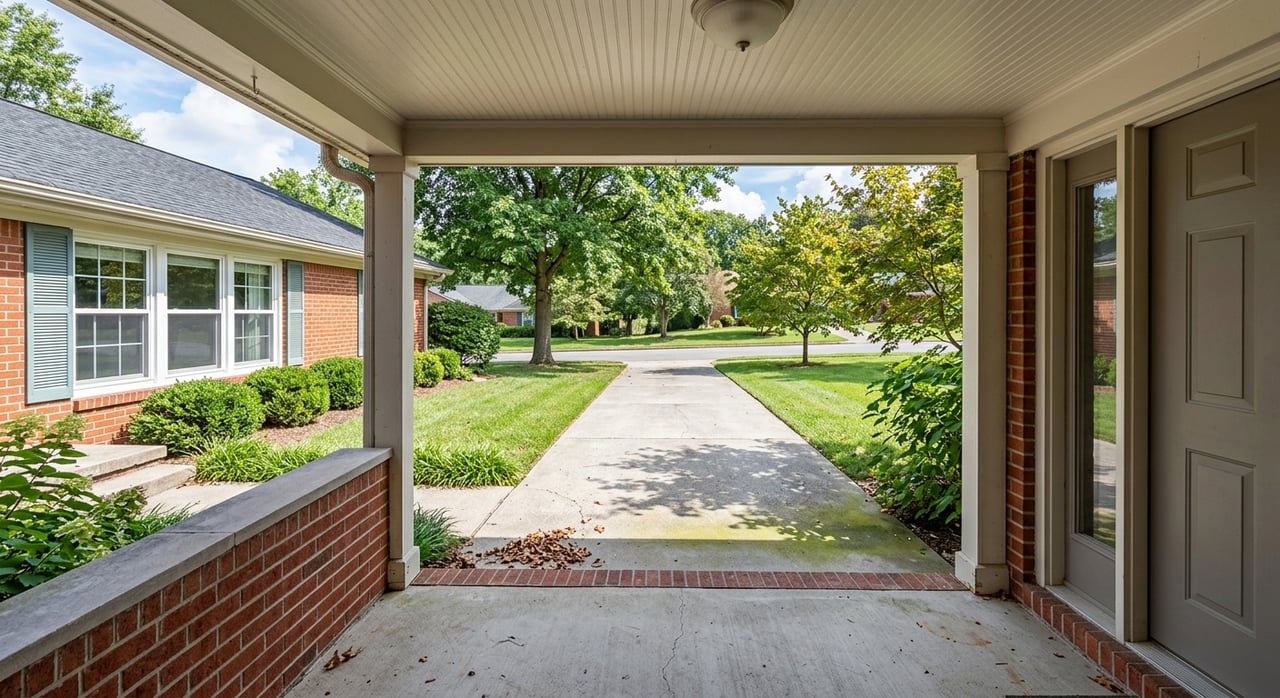
A front porch can reinforce the historic feel of a Westmoreland home while adding a comfortable everyday living area. It creates a space to enjoy shaded afternoons, seasonal color, and the neighborhood’s quieter streetscape. In a garden-suburb setting, that connection between house and front yard is part of the charm.
Screened porches also make sense here. With Knoxville’s long warm season and leafy surroundings, a screened area can extend the time you spend outside while offering shelter from weather and insects. For many buyers, that kind of feature feels both practical and timeless.
Because Westmoreland is known for larger lots and dense canopy, many homes lend themselves to the idea of backyard "rooms." You may see shaded seating areas, lawn space, planting beds, and gathering spots arranged in layers rather than one open expanse. That pattern fits the neighborhood’s estate-oriented feel.
For sellers, this is an important framing tool. Instead of describing a backyard as simply large, it helps to show how the outdoor space lives. A patio for dining, a tucked-away seating area, and garden edges can make the property feel more intentional and memorable.
Westmoreland’s public identity already includes strong seasonal landscaping. If you are thinking about outdoor improvements, a garden-forward approach is a natural fit. Tennessee Smart Yards offers a credible local reference for ecologically sound landscapes and communities, which supports ideas like native planting and pollinator-friendly design.
That kind of landscape planning can work especially well in a wooded neighborhood. It respects the setting, supports long-term health in the yard, and often feels more appropriate than overly formal design that ignores the site’s natural character.
If you are shopping for a home in Westmoreland, outdoor living should be part of your evaluation from the start. Look beyond whether a property has a porch or patio. Pay attention to how the lot, shade, setbacks, and landscaping work together.
A few practical things to notice include:
These details can shape daily enjoyment just as much as the floor plan. In Westmoreland, the best outdoor spaces often feel settled, comfortable, and in tune with the house.
If you are preparing a Westmoreland home for the market, outdoor living deserves a thoughtful strategy. Buyers are often responding to the full experience of the property, not just interior finishes. In this neighborhood, the setting is part of the story.
That means presentation matters. Clean porches, defined seating areas, maintained planting beds, and well-framed photography can help buyers understand how the home lives outdoors. Spring and early growing season can be especially powerful times to showcase that appeal.
A few high-impact points to emphasize are:
For distinctive homes, strong marketing should capture both architecture and landscape. That is especially true in a neighborhood where outdoor identity is woven into buyer perception.
If you own an older home in Westmoreland and are considering exterior improvements, it is smart to understand the local review process before you begin. Knoxville’s Historic Zoning Commission reviews exterior changes only for properties in a local historic overlay or similar designation. National Register listing alone does not, by itself, subject privately funded work to review.
That distinction is important if you are thinking about projects like decks, fences, pools, or major outdoor alterations. Some homes may require review based on local designation, while others may not. Either way, major residential additions and alterations should be treated as formal improvement projects, and the City of Knoxville’s permit process may apply.
For buyers, this is not a reason to worry. It is simply part of owning a home in an area where history and setting matter. For sellers, it is one more reminder that well-planned updates tend to support value best when they respect the home’s context.
What makes Westmoreland stand out is not one single feature. It is the combination of historic neighborhood planning, large-lot patterns, strong tree canopy, and a spring landscape culture that gives outdoor living real staying power. The result is a part of Knoxville where porches, patios, gardens, and wooded yards feel essential to the lifestyle.
If you are buying, that can help you see value beyond the walls of the house. If you are selling, it can help you position your home more effectively. In Westmoreland, outdoor living is not an extra. It is part of what makes the neighborhood feel like home.
If you are considering buying or selling in Westmoreland and want neighborhood-specific guidance, Angie Riedl offers personalized advice rooted in deep Knoxville market knowledge and thoughtful property presentation.
Stay up to date on the latest real estate trends.
June 18, 2026
June 11, 2026
June 4, 2026
May 28, 2026
May 21, 2026
May 14, 2026
May 7, 2026
April 23, 2026
April 16, 2026