How to Buy a Historic Home in Forest Heights Knoxville
May 28, 2026
May 28, 2026
Thinking about buying a historic home in Forest Heights? It can be one of the most rewarding purchases in Knoxville, but it also comes with a different set of questions than buying a newer property. If you love original character, mature landscaping, and the story that older homes carry, you also need to look closely at condition, renovation limits, and long-term costs. Here’s what you should know before you buy in this established West Knoxville neighborhood.
Forest Heights is a Knoxville neighborhood in Knox County, not a Loudon County subdivision. Knoxville planning records show plats recorded in 1936, 1939, 1947, 1950, and 1951, and city planning documents describe the area as having developed progressively during the 1930s and 1940s.
That timeline matters when you shop for a home here. Many properties may include original materials, later updates, and decades of maintenance decisions layered together. In practical terms, you should expect more variety from house to house than you would in a newer neighborhood.
Forest Heights also has a strong established identity. The City of Knoxville maintains the Forest Heights Pocket Park near the Bearden Village Greenway, and the neighborhood association identifies the community as a certified National Wildlife Federation Community Wildlife Habitat. For buyers, that often signals a mature neighborhood setting with older homes, larger trees, and site conditions that deserve careful review.
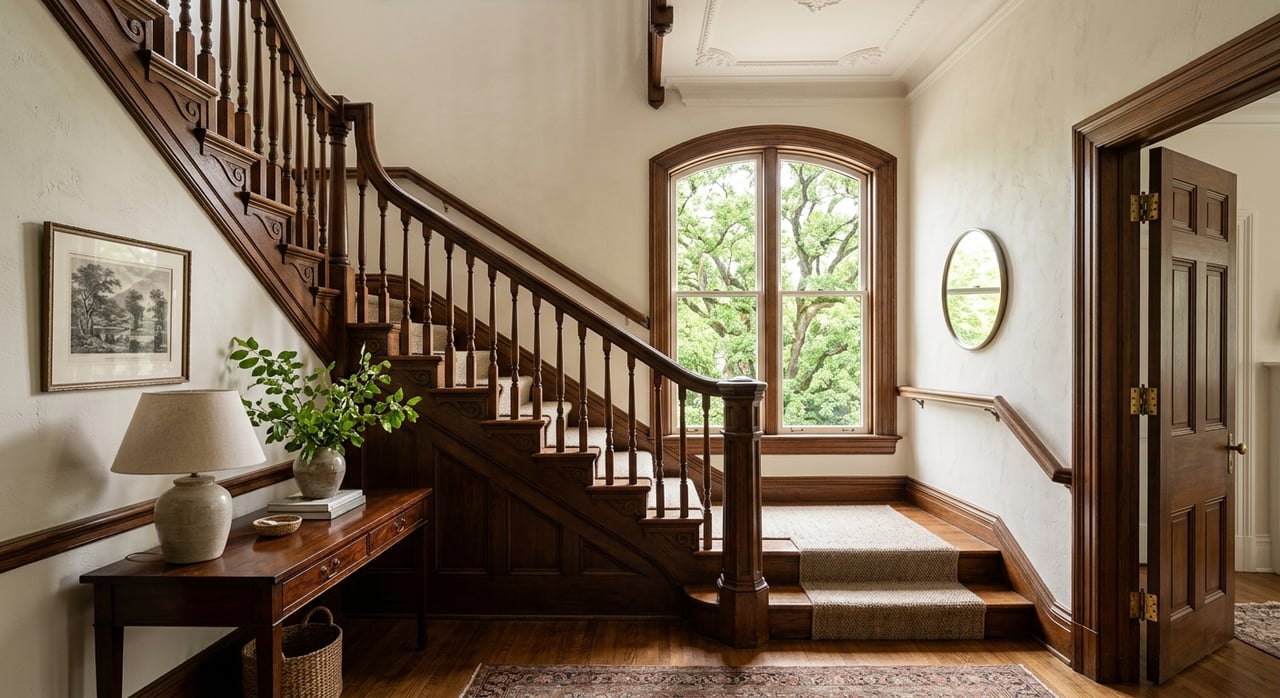
Historic homes in Forest Heights often appeal to buyers who want details that are hard to recreate today. You may find original windows, older woodwork, traditional roof forms, and homes that sit naturally within a long-established streetscape.
That charm can be a real asset, but it should be paired with thoughtful due diligence. A beautiful older home can be well maintained, or it can hide deferred maintenance behind cosmetic updates. Your job as a buyer is to tell the difference early.
Because many Forest Heights homes date to the 1936 to 1951 development period, lead-based paint is an important consideration. The EPA says older homes are more likely to contain lead-based paint, and most sales or leases of pre-1978 housing require lead-based paint disclosure.
If you are buying a home built before 1978, ask whether the seller has provided the required disclosure. If you plan to renovate, repaint, or disturb older painted surfaces, lead-safe planning should be part of your budget and timeline.
In older homes, some materials such as old floor tile, ceiling tile, or pipe wrap may contain asbestos. EPA guidance says that if suspect materials are damaged or will be disturbed by renovation, they should be sampled by a properly trained and accredited asbestos professional.
This becomes especially important if you want to open walls, replace flooring, or update mechanical systems right after closing. What looks like a simple cosmetic project can become more involved once older materials are tested.
Moisture is one of the biggest long-term risks in older homes. The National Park Service identifies uncontrolled moisture as the most common cause of deterioration in older and historic buildings.
That matters even more in Forest Heights because the area is part of a ridge-connected, hilly section of West Knoxville. During inspections, pay close attention to grading, gutters, downspouts, retaining walls, basement moisture, and how rainwater moves away from the house.
In a historic home, the roof and windows affect both preservation and performance. National Park Service guidance notes that historic windows can often be repaired or upgraded, and weatherization work often focuses on reducing air leakage around windows and doors.
A roof should also be evaluated carefully, not just for appearance but for how it protects the structure over time. If the roof is aging or the windows show signs of neglect, those issues can influence energy performance, water intrusion risk, and your future repair budget.
Mechanical, electrical, and plumbing systems often need more than light updating in older homes. While sensitive upgrades are possible, buyers should be realistic about the cost of bringing older systems up to current expectations.
Knoxville’s adopted codes include the 2024 IBC, IRC, IEBC, plumbing, mechanical, and fuel gas codes, along with the 2023 National Electrical Code. For you as a buyer, that means older homes may require meaningful systems work over time, even if the finishes look updated.
One of the biggest misunderstandings buyers make is assuming that every older home has the same renovation rules. That is not how it works.
A property can be historically significant without being subject to local design review. National Register status alone does not restrict a private owner under federal law, but local Knoxville rules may still apply if the parcel is in a regulated overlay.
Knoxville uses local overlays that can trigger review for certain work. The H Historic Overlay is intended to preserve and protect historic structures and areas, while the NC Neighborhood Conservation Overlay is intended to conserve older neighborhoods and regulate demolition.
In these overlays, certificates of appropriateness are the key approval mechanism. Depending on the property and the scope of work, repairs, additions, demolition, or exterior changes may require review.
For H-overlay properties, some limited repairs with identical materials and design may be approved at staff level. More substantial work can go to the Historic Zoning Commission. In NC overlays, demolition, additions, and new primary or accessory buildings require certificate-of-appropriateness review.
Before you assume a renovation will be simple, check the property parcel by parcel. The actual zoning and overlay status of that specific home determine whether local historic-review rules apply.
This is especially important in Forest Heights because the neighborhood includes older homes, but not every parcel is governed the same way. A careful review upfront can save you time, money, and frustration after closing.
Historic homes often reward buyers who budget beyond surface-level updates. In Forest Heights, exterior site costs can matter as much as interior finishes because of the neighborhood’s older development pattern, mature landscaping, and ridge or slope conditions.
That means your budget should account for more than paint colors and kitchen ideas. Drainage improvements, foundation work, roof repairs, window restoration, and systems upgrades may all compete for attention.
If you are buying a historic home as your primary residence, do not assume a federal historic rehabilitation tax credit will help offset your costs. The National Park Service says the 20% federal historic rehabilitation tax credit is for income-producing properties, and owner-occupied residential properties do not qualify.
For most primary-home buyers in Forest Heights, preservation-related costs should be treated as out-of-pocket expenses unless a separate income-producing use is involved.
A good renovation strategy for an older home is often to repair before you replace. National Park Service guidance says historic character should be retained and that intact or repairable materials should not be replaced unnecessarily.
That approach can make sense financially and architecturally. Original windows, woodwork, and roof forms may contribute heavily to the home’s character, and in some cases they can be repaired or weatherized rather than removed.
When you are serious about a Forest Heights property, ask for records that help you understand what has been done and what may still need attention. A well-documented home is often easier to evaluate than one with unclear update history.
Here are smart questions to ask during due diligence:
These questions can help you separate a thoughtfully maintained historic home from one that only looks updated on the surface.
Buying a historic home in Forest Heights is not just about square footage or finishes. It is about understanding the neighborhood’s age, topography, preservation context, and the true condition of the property you are considering.
That is where local expertise matters. When you are evaluating a distinctive older home in West Knoxville, you need guidance that respects character while helping you make a sound investment decision.
If you are considering a historic home in Forest Heights and want a thoughtful, high-touch perspective on the neighborhood and the buying process, Angie Riedl can help you navigate the details with confidence.
Stay up to date on the latest real estate trends.
June 18, 2026
June 11, 2026
June 4, 2026
May 28, 2026
May 21, 2026
May 14, 2026
May 7, 2026
April 23, 2026
April 16, 2026