Are you drawn to Sequoyah Hills for its character, river views, and classic Knoxville charm, but unsure how to navigate the market? You are not alone. Buyers often wonder what homes actually cost, how fast the best listings move, and how to plan for older-home ownership. In this guide, you will learn how to read the neighborhood’s signals, what price factors really matter, and the steps to take so you can act with confidence when the right home appears. Let’s dive in.
How to read the Sequoyah Hills market
Sequoyah Hills is a small, sought-after neighborhood, so you want clear signals to guide your search. Focus on a few core metrics that reveal competition and value. The right data will help you set expectations and avoid surprises when you tour homes and write offers.
Inventory and seasonality
Inventory, pendings, and months of supply will tell you how competitive things feel on the ground. Track active listings now and compare the 12-month rolling average to see the big picture. If you can, compare typical monthly averages in January, April, July, and October to spot seasonal swings.
- If months of supply is low, plan for quicker decisions and fewer negotiating levers.
- If the active-to-pending ratio skews toward pending, it often signals strong absorption.
- New listings per month will show if fresh options are coming or if you need to widen criteria.
Prices and price per foot
Use medians and interquartile ranges rather than a single average. A single premium sale can skew the mean in a small neighborhood. Look at:
- Median sale price for the last 12 months, plus 25th and 75th percentiles.
- Median price per square foot, with an eye on how river proximity, lot size, and renovations change that number.
- Year-over-year direction to understand whether pricing is trending up, flat, or mixed across segments.
Comparing Sequoyah Hills figures with Knoxville citywide and Knox County benchmarks can show whether you are paying a neighborhood premium for location and architecture.
Days on market and price negotiation
Days on market (DOM) and the list-to-sale price ratio help you understand urgency and negotiating room. Track the share of homes that go under contract within 14 days versus those that sit beyond 60 days. Also note how often sellers reduce prices.
- Quick DOM with high percentages of list price received usually means stronger offers and fewer contingencies.
- Longer DOM and repeated price reductions may signal room for negotiation or property-specific issues.
What homes you will find
Sequoyah Hills offers a mix of eras and styles that shape pricing and maintenance.
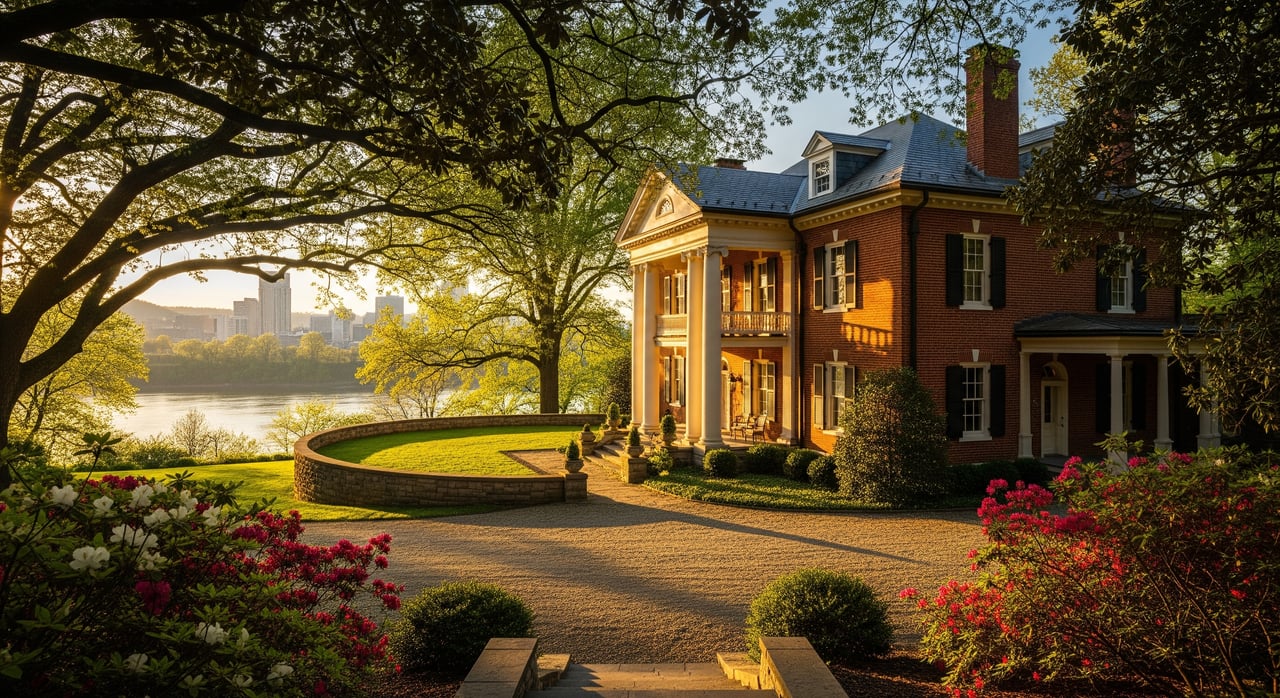
- Older, architecturally distinctive homes from the early 20th century, including bungalows and revival styles.
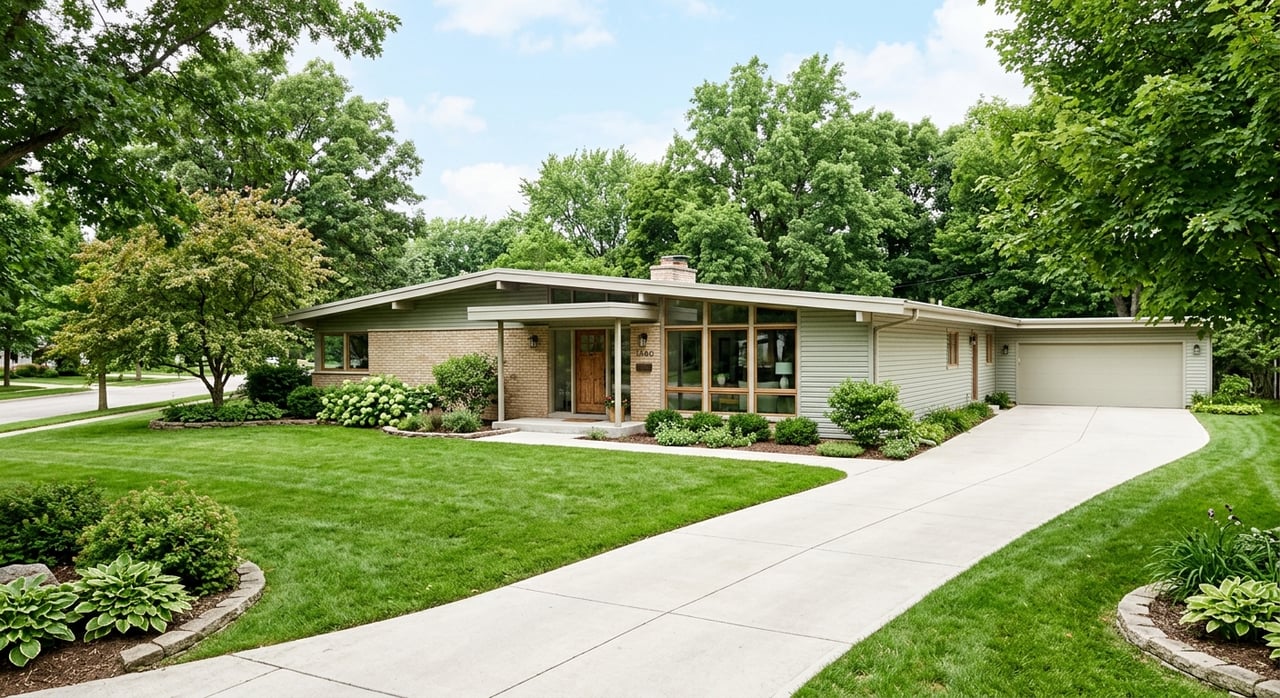
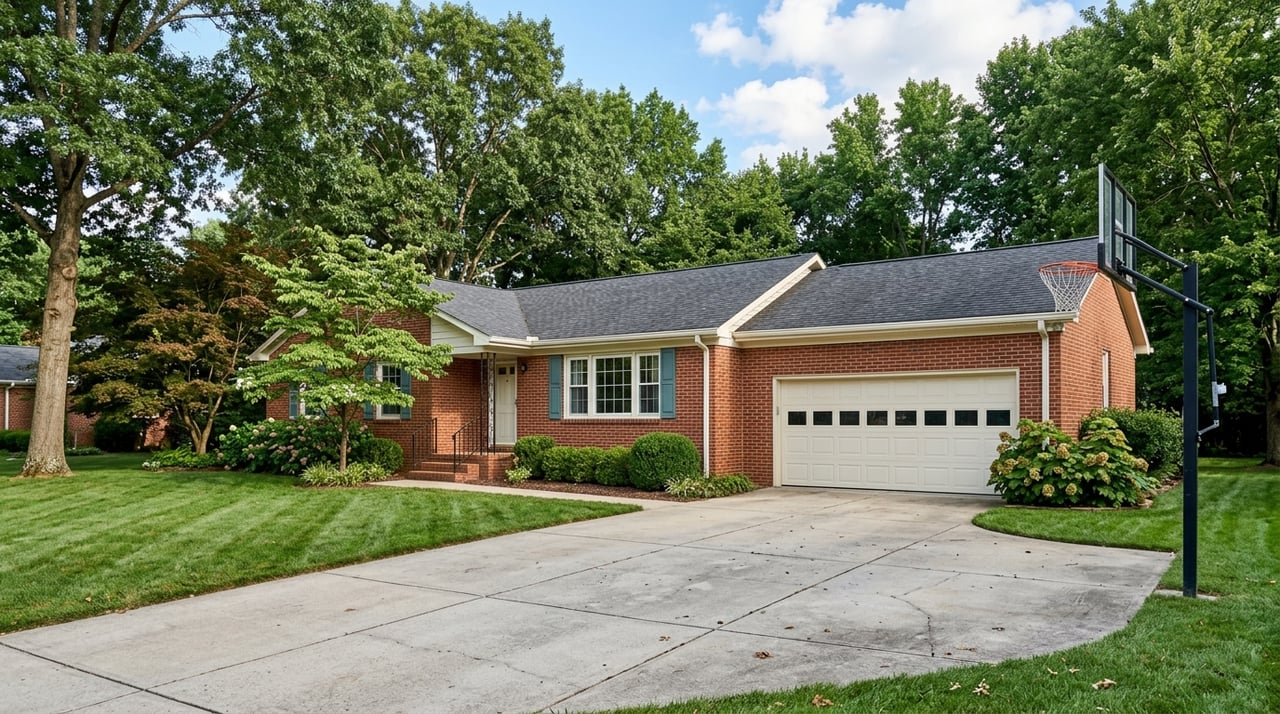
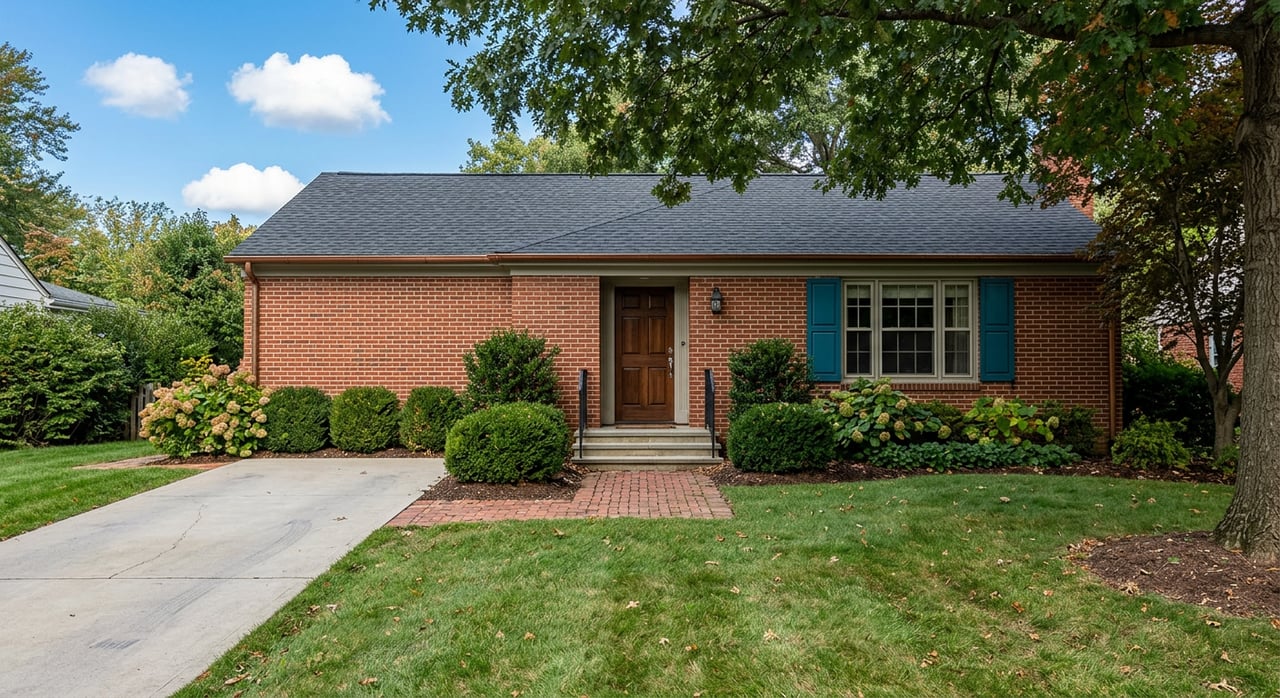
- Mid-century homes, some updated, some ready for your vision.
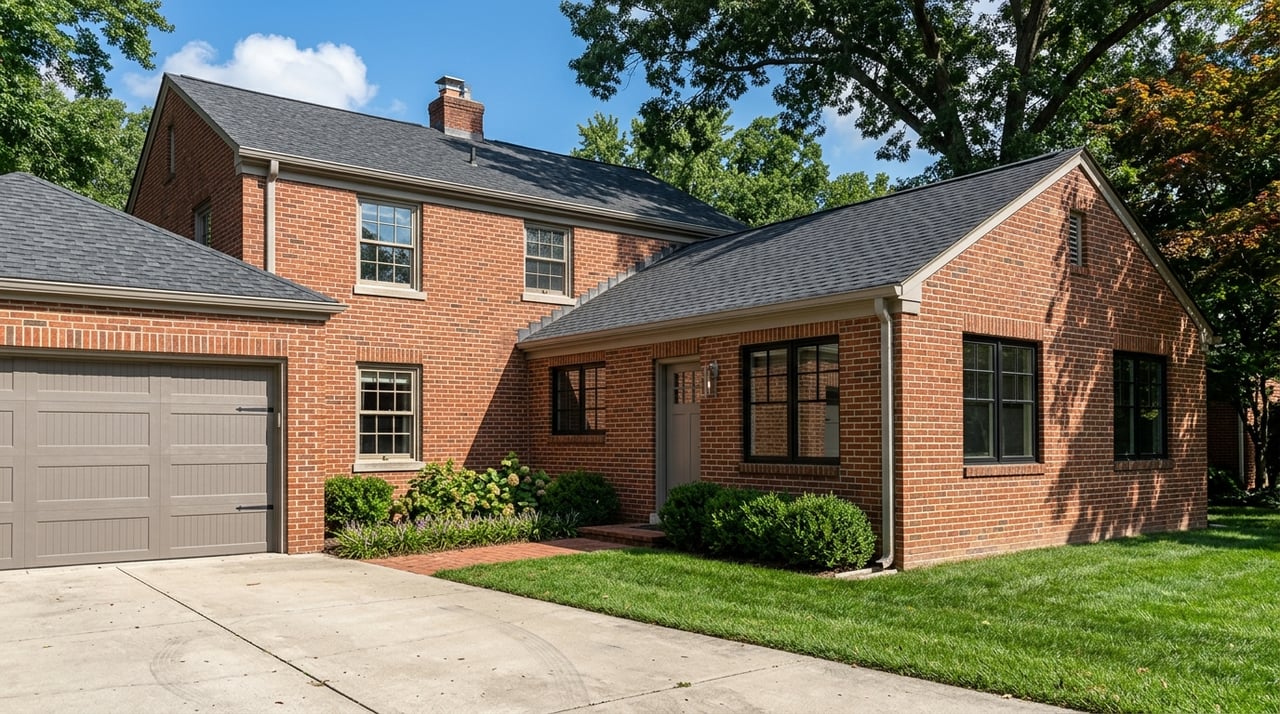
- Later infill and renovated properties that blend modern living with the neighborhood’s character.
Lot sizes vary and many streets enjoy a mature tree canopy. Some parcels sit along or near the Tennessee River, and properties with river or downtown views often command premiums.
Historic and renovation factors
Older homes can deliver charm and craftsmanship along with specific maintenance considerations. Expect attention to mechanical systems, roofs, foundations, insulation, electrical, plumbing, and pest prevention. If you are considering a historic home, specialized materials and methods may be required, which can affect budgets and timelines.
Mortgage and insurance can vary with older properties and river-adjacent lots. Appraisals may rely on fewer comparable sales, so pricing strategy and market data matter.
Zoning and preservation checks
Parts of Sequoyah Hills may relate to local or national historic contexts. Before major renovations, verify whether any design-review or preservation guidelines apply. Check City of Knoxville planning resources and, when appropriate, coordinate with the neighborhood association for guidance on exterior changes, additions, or lot improvements.
Typical price tiers to expect
Because the neighborhood is compact and diverse, price bands reflect more than just square footage. Think in terms of three general tiers, then validate with current data before you tour.
- Entry tier: Smaller homes or properties needing updates. You may trade move-in readiness for a great location and future potential.
- Mid-range tier: Well-maintained homes with thoughtful updates and comfortable layouts. These often align with current buyer preferences and move efficiently.
- Top tier: Larger or architecturally significant homes, properties with river proximity or views, and fully renovated residences. These command higher prices and often attract multiple interested buyers.
For clarity, request a recent MLS pull showing the median price and the 25th and 75th percentiles over the last 12 months. Ask to see examples in each tier so you can connect price points with real properties.
Features that command premiums
Some features consistently elevate value in Sequoyah Hills:
- River adjacency or view corridors
- Larger, private lots and desirable street locations
- Thoughtful, period-appropriate renovations in historic homes
- Updated kitchens, baths, and systems that respect original architecture
How competitive is it right now
Competition shifts with inventory and buyer demand, so look at a few real-time signals.
- Quick-moving segment: Identify homes that went under contract within 14 days in the last 6 months. Note their size, condition, and listing range.
- Months of supply: Low supply generally means faster decisions and stronger offers.
- Price change frequency: Frequent reductions can indicate overpricing, softening demand, or property-specific concerns.
In a tight market, get a pre-approval or, better, pre-underwritten financing, and consider strategies like pre-inspections and escalation clauses. In a slower patch, you may secure inspection periods, seller-paid closing costs, or more flexible timelines.
Smart due diligence for buyers
A careful plan will protect your investment and reduce surprises after closing.
- Inspections for older homes: structural, roof, HVAC, electrical, plumbing, and pest. If you suspect legacy materials, discuss lead paint or asbestos testing with your inspector.
- Flood and lot-level risk: Review FEMA flood maps and county floodplain data for river-adjacent or low-lying parcels. Flood insurance requirements can affect your monthly budget and long-term plans.
- Permit history and recent work: Confirm permits for major renovations and request maintenance records, especially for historic or specialty systems.
- Appraisal and insurance: Discuss premiums and underwriting early if you are targeting river-proximate or historic properties.
Red flags to investigate
- Evidence of chronic water intrusion, basement or foundation movement
- Mapped floodplain exposure and rebuild limitations
- Large price spreads on the same block without clear reasons like view or lot size
- Multiple price reductions or long DOM without meaningful updates or repairs
How to analyze listings like a pro
Ask your agent to run a few targeted MLS queries so your decisions are grounded in facts for Sequoyah Hills.
- Neighborhood snapshot, last 12 months: Sold listings with sale price, price per foot, DOM, year built, lot size, and bed/bath counts. Review median price, interquartile ranges, median DOM, and median price per foot.
- Current inventory and pendings: Active plus pending listings sorted by price, with days on market and any price-change history.
- Quick-moving segment: Closed in the last 6 months with DOM of 14 days or less. Note what buyers competed for and why.
- Entry vs premium splits: Break the market into three realistic price bands and compare DOM and list-to-sale ratios across those bands.
Use this lens when touring: does the home align with the quick-moving profile, or is it priced closer to properties with longer DOM? That context gives you a clearer negotiation strategy.
Buyer checklist for your consultation
- Six to twelve months of closed comps in your target segment
- A curated set of 6–12 active listings that match your criteria, with guidance on likely competition
- A property risk memo: flood exposure, inspection hotspots, and estimated near-term maintenance
- A timeline from offer to close and recommended pre-offer steps
Your next steps
If Sequoyah Hills is your target, the smartest move is to ground your search in current, hyperlocal data and a plan that respects the neighborhood’s historic fabric. A tailored MLS report and a quick strategy session will save you time and help you move decisively when the right home appears.
- Request a personalized market brief with recent comps, price-per-foot insights, and a snapshot of quick-moving homes.
- Ask for a floodplain lookup, permit history review, and renovation-planning guidance tailored to older homes.
- Clarify your price band and pre-approval, then set your pre-offer strategy based on today’s inventory and DOM.
When you are ready, connect with a local specialist who knows the architecture, riverfront nuances, and the pace of this neighborhood. For white-glove guidance rooted in Sequoyah Hills expertise, reach out to Angie Riedl to request a private consultation.
FAQs
What is the Sequoyah Hills market like for first-time buyers?
- Expect a premium location with a mix of renovated and project homes; focus on median pricing, DOM, and months of supply to align your budget with realistic options.
How much should I budget to buy in Sequoyah Hills?
- Ask for a 12-month MLS report showing the median sale price and the 25th and 75th percentiles, then review real examples in entry, mid, and top tiers.
Are Sequoyah Hills homes in flood zones along the Tennessee River?
- Some parcels may be river-adjacent; verify each address against FEMA and county floodplain maps and factor potential flood insurance into your budget.
Do historic rules affect renovations in Sequoyah Hills?
- Certain homes may be subject to preservation or design review; confirm requirements with City of Knoxville planning and the neighborhood association before planning work.
What is a good days on market number in Sequoyah Hills?
- Use recent MLS data; track the share that go under contract within 14 days versus 60-plus days to gauge urgency and adjust offer strategies.
How often do homes sell off market in Sequoyah Hills?
- Off-market activity can occur in high-end segments; ask your agent about pocket-listing frequency and how to access those opportunities.
What inspections are essential for older Sequoyah Hills homes?
- Plan for structural, roof, HVAC, electrical, plumbing, and pest inspections, and discuss testing for legacy materials when appropriate.