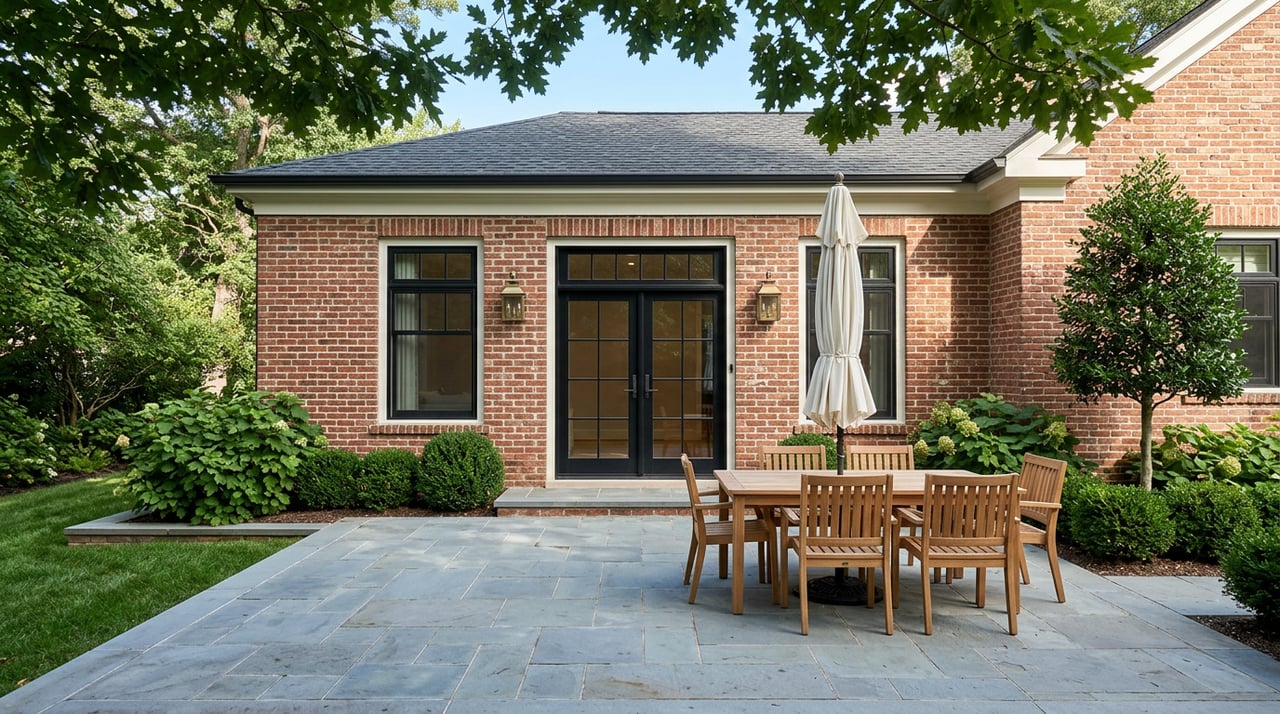
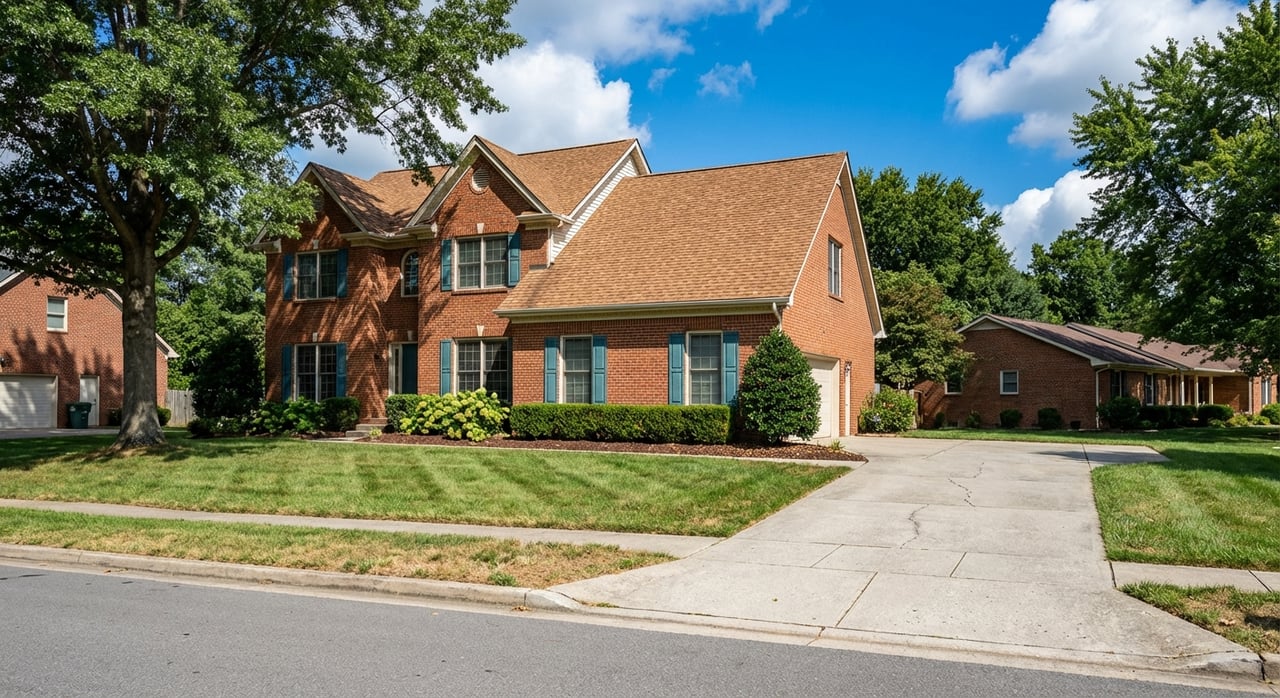
Love a steep gable, a columned porch, or a wall of glass? In Westmoreland, you can find all three within a few blocks. If you are drawn to design and detail, this neighborhood rewards your eye with rich character and thoughtful craftsmanship. In this guide, you will learn how to spot Westmoreland’s signature styles, what luxury buyers value, and how to upgrade with respect for the architecture. Let’s dive in.
Westmoreland’s architectural mix
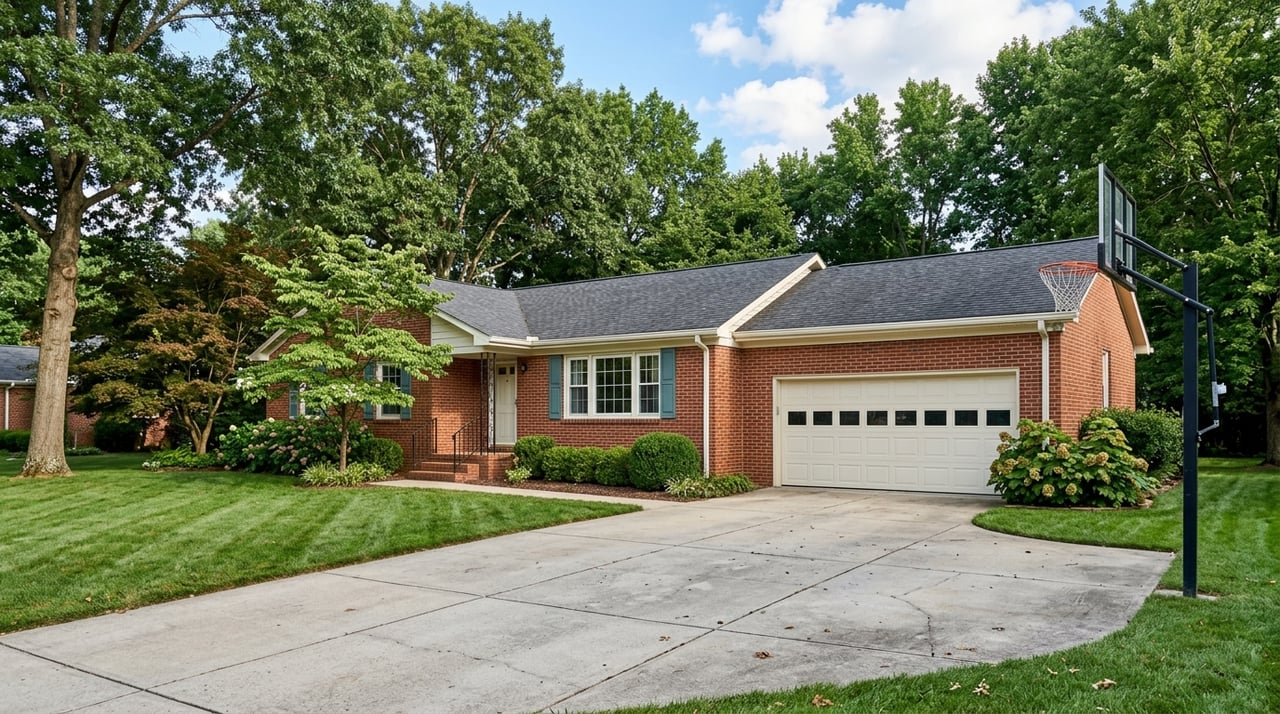
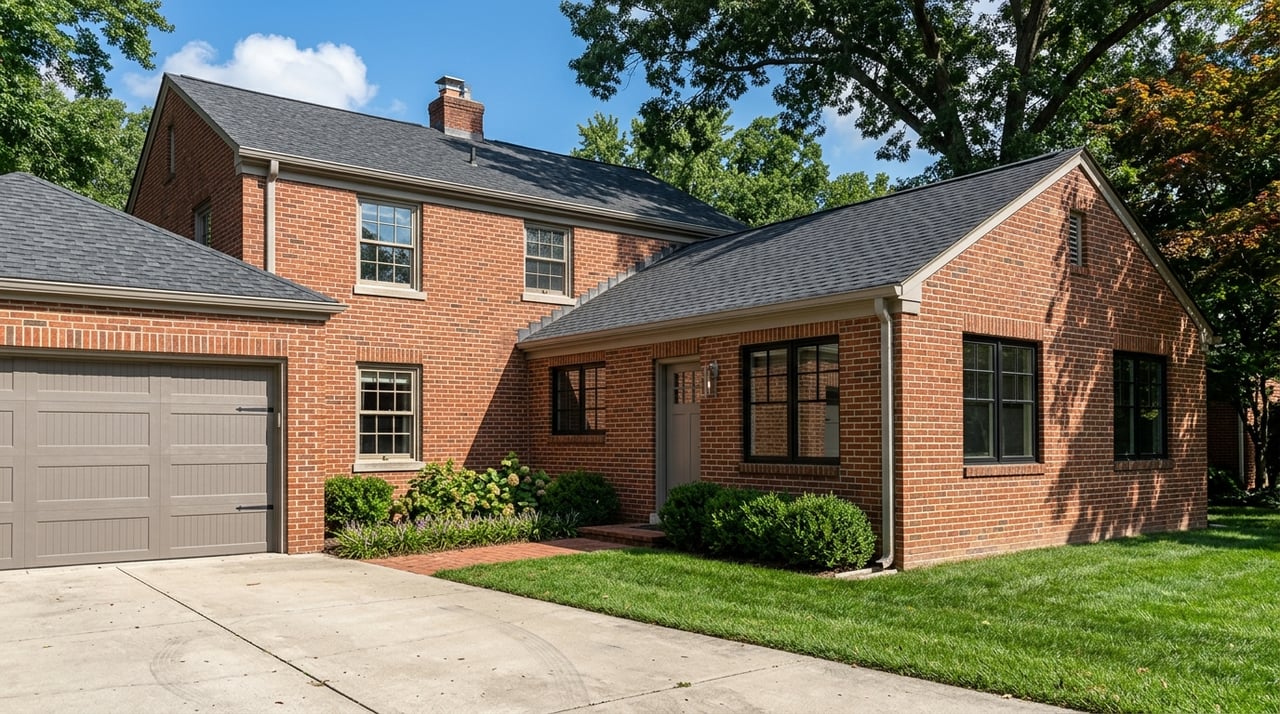
Westmoreland blends four standout styles: Tudor Revival, Neoclassical, Mid-Century Modern, and custom contemporary. Each carries its own exterior look, interior feel, and buyer expectations. If you plan to update, it helps to align improvements with the style’s DNA. Always confirm whether your address sits within any local historic overlay before exterior changes. The City of Knoxville Planning and Historic Preservation office can advise on reviews and permits, and Knox Heritage is a helpful non-profit resource for guidance and referrals.
Tudor Revival essentials
Exterior features you notice
- Steep, asymmetrical gables and tall chimneys
- Stucco with decorative half-timbering above brick or stone
- Arched entries, heavy wood doors, and multi-pane casement windows
Interiors buyers love
- Exposed beams, arched openings, and inglenook fireplaces
- Built-ins and cozy, well-scaled rooms
- Original hardware, leaded or patterned glass, and dark wood trim
Smart updates for sellers
- Repair and re-point masonry and keep chimney profiles intact
- Restore wood windows with weatherstripping or interior storms rather than replacing whenever feasible, consistent with the Secretary of the Interior’s Standards for Rehabilitation
- Refresh kitchens and baths with classic proportions and period-friendly finishes, like shaker cabinetry and traditional tile
- Upgrade HVAC, electrical, and plumbing discreetly so modern systems do not intrude on historic details
Pitfalls to avoid
- Full-frame window replacements that change sightlines and muntin patterns
- Open plans that erase defining small-room character without offering equally thoughtful function
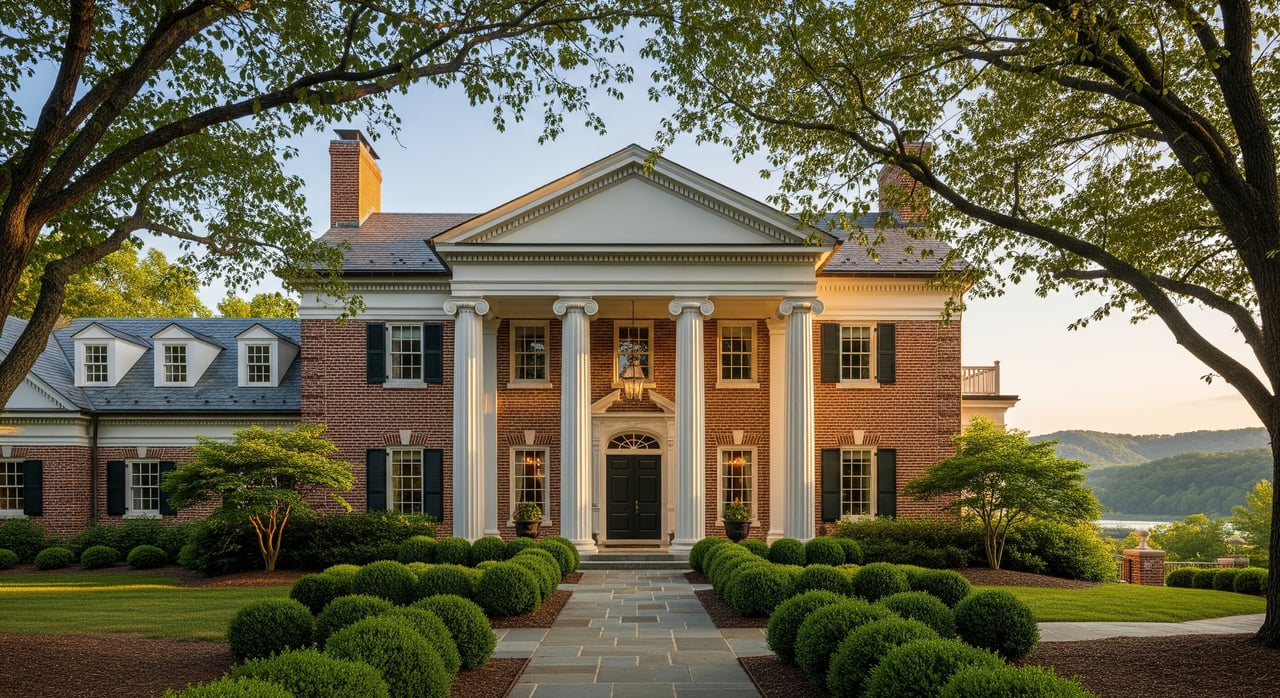
Neoclassical essentials
Exterior features you notice
- Symmetrical facades with columned porches or porticos
- Classical columns or pilasters, pediments, and formal entries
- Balanced multi-pane windows and brick or masonry walls
Interiors buyers love
- Grand stair halls, high ceilings, and detailed crown moldings
- Formal dining and living rooms with elegant proportions
- Built-ins and refined trim that suit gracious entertaining
Smart updates for sellers
- Preserve columned porches and original millwork; repair rather than replace when practical
- Use transitional, high-quality finishes that respect scale and symmetry
- Add accessibility improvements discreetly to protect the primary facade
Pitfalls to avoid
- Exterior additions that disrupt symmetry or introduce incompatible elements
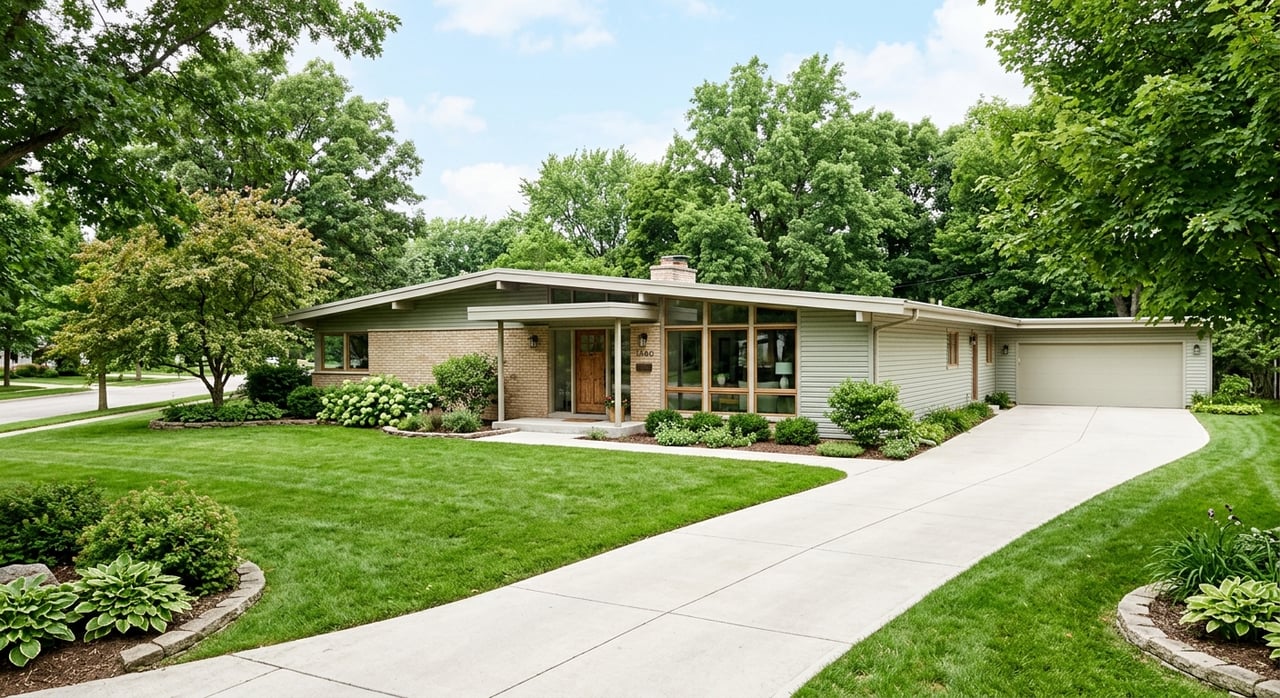
Mid-Century Modern essentials
Exterior features you notice
- Low or flat roofs with wide eaves and strong horizontal lines
- Large panes of glass, sliders, and clerestory windows
- Post-and-beam structures that connect indoors and outdoors
Interiors buyers love
- Open plans, natural materials, and exposed structure
- Single-level living with flow to patios and decks
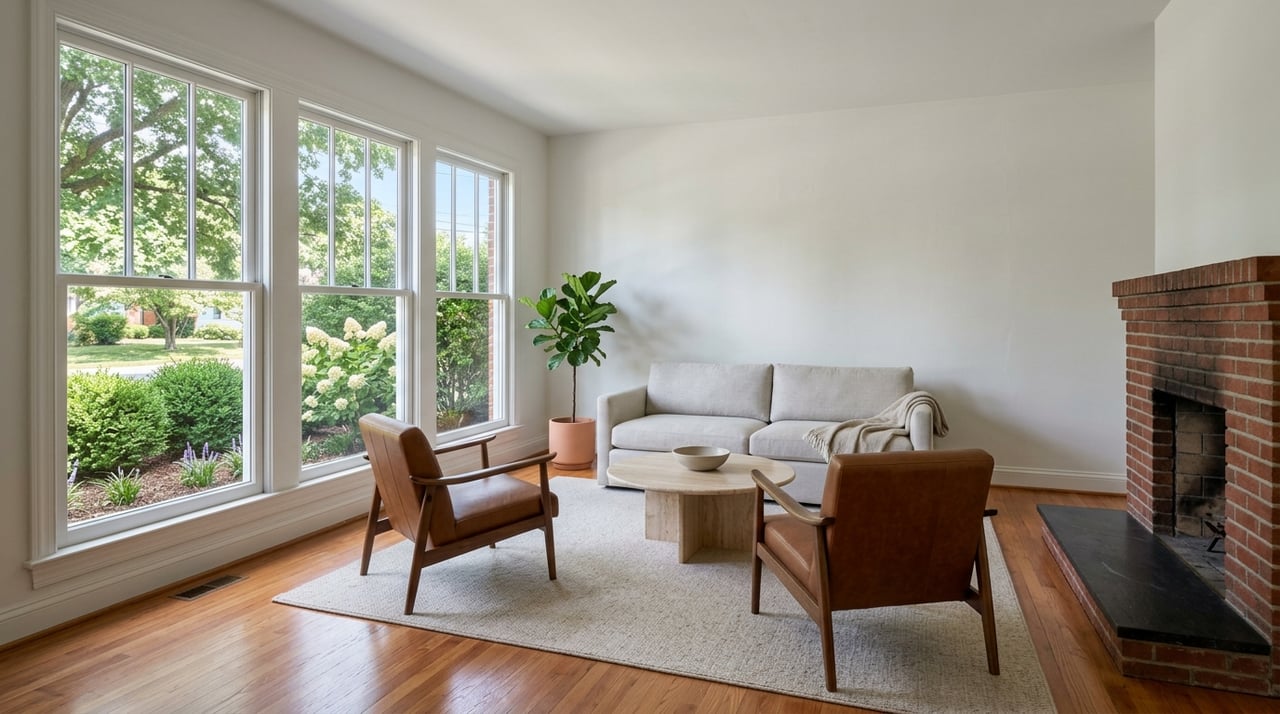
- Original built-ins, wood paneling, and stone fireplaces
Smart updates for sellers
- Improve glass performance with interior storms or high-performance replacements that match original sightlines, guided by preservation best practices from the National Trust for Historic Preservation
- Reveal and refinish original paneling or built-ins rather than covering them
- Refresh kitchens and baths with sleek, period-compatible materials and integrated appliances
- Upgrade insulation and HVAC without changing the roofline or soffits
Pitfalls to avoid
- Adding ornate or traditional trim that clashes with the clean lines
- Replacing low, flat roof profiles with steep gables
Custom contemporary essentials
Exterior and interior hallmarks
- Clean geometry, large expanses of glass, and mixed materials
- Open, flexible plans with high ceilings and integrated technology
- Emphasis on comfort and efficiency, often with advanced glazing and HVAC
Smart updates for sellers
- Elevate with designer lighting, integrated appliances, and layered textures
- Showcase smart systems in listing materials, including security and whole-home controls
- Blur interior and exterior with big sliders, outdoor kitchens, and lighting
- Prioritize energy and comfort upgrades like efficient HVAC and high R-value insulation
Pitfalls to avoid
- Overly trendy finishes that date quickly
- Additions that ignore the massing and materials of the original structure
Practical steps
Verify permits and overlays
Before planning exterior work, confirm whether your address sits in a local historic district or has design review. Start with City of Knoxville Planning and Historic Preservation for procedures and approvals. For preservation-minded advice and contractor leads, connect with Knox Heritage at knoxheritage.org.
Inspections and due diligence
Older and design-forward homes benefit from careful inspections. Pay special attention to roofs and drainage, chimneys and foundations, and the age and condition of HVAC, wiring, and plumbing. For flat or low-slope roofs and large glazing systems, verify performance and maintenance costs early.
Energy upgrades that respect character
Begin with reversible, low-impact improvements. Attic and crawlspace insulation, efficient HVAC, weatherstripping, and interior storm windows can boost comfort without harming historic fabric. Explore potential assessments and programs through the Tennessee Valley Authority’s energy resources.
Renovation ROI realities
Design-minded buyers prize updated kitchens and baths, reliable systems, and intact character. Use the Remodeling industry’s Cost vs. Value benchmarks to set expectations. Targeted, preservation-sensitive projects often show stronger near-term appeal than full stylistic overhauls.
Finding the right pros
For historic exteriors, look for preservation carpenters, masons familiar with lime mortars, and window specialists. The Secretary of the Interior’s Standards outline compatible approaches. For mid-century or contemporary homes, seek teams experienced with flat roofing, structural glass, and integrated mechanicals. Local referrals from Knox Heritage can help you vet expertise.
Incentives and compliance
Some exterior changes may require review or a certificate of appropriateness. Interior work typically follows building permit rules for structural and mechanical changes. Federal historic rehabilitation tax credits generally apply to income-producing, certified historic properties, and not to most owner-occupied homes. Confirm any incentives directly with local and state preservation offices.
Quick seller checklist
- Curb appeal: clean masonry, touch up paint, and highlight the primary entry
- Safety: inspect fireplaces and chimneys, and address roof or drainage issues
- Style-first staging: create vignettes that showcase key features, like an inglenook or a wall of glass
- Quiet comforts: document HVAC, roof age, window treatments, and insulation upgrades on a one-page spec sheet for buyers
- Period-sensitive refresh: update lighting, hardware, and landscape in a way that aligns with the home’s style
Local resources
Whether you are tuning a Tudor or presenting a pristine modern, aligning improvements with the home’s style is the surest way to protect value. If you want a seasoned, hands-on advisor to position your Westmoreland property for maximum impact, connect with Angie Riedl for a private, strategy-driven conversation.
FAQs
Can I modernize a historic Westmoreland home and keep character?
- Yes, many updates are compatible with preservation, but exterior changes may require review depending on location and scope; verify status with the City of Knoxville first.
Should I replace original windows in a Tudor or Neoclassical home?
- Often, repair with weatherstripping or interior storms preserves character and can be cost-effective; replace only when deterioration is severe and match original sightlines.
What upgrades do luxury buyers here value most?
- High-quality kitchen and bath updates, reliable mechanicals, discreet energy improvements, and preserved period features like millwork, fireplaces, and window patterns.
How do I handle flat roofs and large glass in Mid-Century homes?
- Schedule specialized inspections for roof drainage and glazing; improve performance with insulation, efficient HVAC, and compatible glass solutions that keep original profiles.
Are there tax credits for restoring my home in Westmoreland?
- Federal historic rehabilitation credits generally apply to income-producing, certified historic properties; check local and state programs to confirm what may apply to your project.